SW16 Streatham Station rubbish drop off and collection
Posted on 13/10/2026
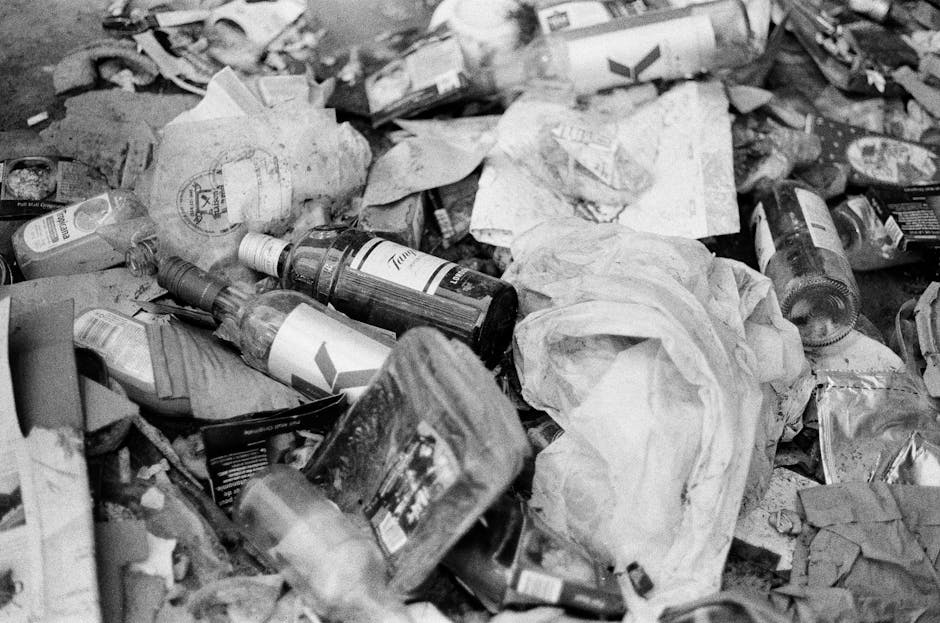
SW16 Streatham Station rubbish drop off and collection: a practical local guide
If you are looking for SW16 Streatham Station rubbish drop off and collection, chances are you need a straightforward way to get waste out of the way without turning your day into a small logistical drama. Maybe it is a flat clearance near the station, a few awkward black bags after a move, or a one-off pile of bulky bits that just will not fit in the car. Either way, the goal is usually the same: get it handled quickly, cleanly, and with as little stress as possible.
This guide explains how rubbish drop off and collection works around Streatham Station, what to expect, what to avoid, and how to choose the most sensible option for your situation. It is written for people who want practical answers, not waffle. Truth be told, that is usually what you need when bags are lining the hallway and time is tight.
Why SW16 Streatham Station rubbish drop off and collection Matters
Waste is one of those things you barely notice until it starts taking over your space. Around Streatham Station, that tends to happen fast. Homes and flats in SW16 often have limited storage, tight stairwells, shared entrances, and not much patience from neighbours if bags start building up in a corridor. A sensible rubbish drop off or collection plan keeps that mess under control before it becomes a real problem.
There is also the simple matter of convenience. A lot of people near the station are juggling commuting, work, school runs, deliveries, and all the usual London life bits. So a service that removes waste on a schedule that suits you can save a surprising amount of time. And let's face it, nobody wants to spend a Saturday afternoon doing repeated trips with dusty boxes and a boot full of old furniture.
There is another reason this matters: the type of waste matters. Mixed rubbish, furniture, garden cuttings, builders' offcuts, office clutter, and electrical items all need different handling. If you separate them properly, the job is usually smoother and often more cost-effective. If you do not, the whole thing becomes heavier, slower, and a bit more annoying than it needed to be. Small thing, big difference.
Expert summary: good rubbish drop off and collection is not just about getting rid of stuff. It is about choosing the right method for access, waste type, timing, and budget so the removal is efficient and compliant from the start.
How SW16 Streatham Station rubbish drop off and collection Works
At a practical level, rubbish drop off and collection in the Streatham Station area tends to work in one of a few ways. You either bring waste to a designated drop off point, arrange for it to be collected from your property, or use a mixed approach where some waste is staged in advance and the rest is removed on the day. The best choice depends on how much you have, what it is, and how easy it is to move.
If you are in a flat above a shop, a converted house, or a narrow side street near the station, access can be the deciding factor. Collection teams need enough room to load safely, and you need enough time to place items where they can be removed without blocking doors, pavements, or communal areas. A quick look at your access route beforehand saves a lot of back-and-forth later on. Honestly, this is where most jobs are won or lost.
Drop off is usually better when you already have transport and the waste is manageable. Collection is better when the rubbish is heavy, bulky, or awkward to move. If there are mixed materials involved, a professional service can often sort things more efficiently than a single DIY trip. That includes anything from broken furniture and bagged general waste to garden waste or office clear-out material, such as the sort of load covered by office clearance in Streatham and other local removal services.
For larger domestic clear-outs, a broader service can be useful too. If you are dealing with more than a few bags, you may want to look at house clearance in Streatham or a more general rubbish collection service in Streatham depending on what needs shifting. That flexibility matters when the pile is not neatly one thing or another, which is often the case in real life.
Key Benefits and Practical Advantages
The biggest benefit is obvious: your space is clear again. But there are several smaller benefits that are easy to miss until you have been through the process once or twice.
- Less disruption: you avoid repeated trips, awkward lifting, and waste sitting around for days.
- Better use of time: a scheduled collection can fit around work, family, or building access windows.
- Cleaner communal areas: important if you live in a block or share hallways.
- Safer handling: heavy or sharp items are dealt with properly rather than dragged downstairs in a rush.
- Improved sorting: recyclable and non-recyclable items can be separated more effectively.
- Less last-minute stress: once it is booked, the job has a finish line. That matters more than people admit.
There is also a psychological benefit, if that does not sound too grand. A cleared room feels different. You can see the floor again, hear your own footsteps, and suddenly the job you have been avoiding stops looming over you. It is a small reset, but a real one.
If sustainability is part of your thinking, a service aligned with recycling and sustainability practices can help ensure items are handled with more care than a throw-it-all-in approach. That is especially useful when your waste includes cardboard, small electricals, metal, or reusable household items.
Who This Is For and When It Makes Sense
This kind of rubbish drop off and collection service is useful for a surprisingly wide range of people. Not just landlords and people doing big renovations. Far from it.
You might need it if you are:
- moving out of a flat near Streatham Station and have more clutter than expected
- clearing out a spare room, loft, cellar, or storage cupboard
- getting rid of packaging, furniture, or general household waste after delivery day
- dealing with garden waste after a tidy-up or seasonal cutback
- removing office or shop items that are no longer needed
- preparing a property for sale or letting
- handling builder's waste after light works or repairs
It also makes sense when the timing is awkward. Maybe you have limited parking. Maybe the lift is out. Maybe the rubbish pile is too big for the bin store but not big enough to justify a full-scale project. That middle ground is where rubbish collection services are often most helpful.
In our experience, people usually wait a little too long before booking. That is normal. Waste creeps up slowly, then suddenly it is in the way of everything, including your mood. If that sounds familiar, you are exactly the sort of person this is for.
Step-by-Step Guidance
Here is the simplest way to approach SW16 Streatham Station rubbish drop off and collection without making it harder than it needs to be.
- Identify the waste type. Separate general rubbish, bulky items, garden waste, electricals, and anything that may need special handling.
- Estimate the volume. A few bags, a sofa, a mattress, or a full room makes a big difference to the method you choose.
- Check access. Look at stairs, parking, loading space, narrow paths, and whether items need to come through shared areas.
- Choose drop off or collection. Use drop off for smaller, transportable loads and collection for heavy, awkward, or larger piles.
- Sort and stage the waste. Keep similar items together so the removal is quicker and cleaner.
- Protect your property. Move items carefully and lay something down if you are worried about scuffs, especially on older floors or tight staircases.
- Confirm timing and expectations. Know when access will be needed and where items should be left.
- Ask about disposal method. If you want recyclable material handled separately, say so upfront.
A quick example: if you are clearing a one-bedroom flat near the station after a move, you might bundle cardboard separately, bag general waste, and keep furniture by the entrance. That makes collection smoother and can reduce the faff on the day. Simple, but effective.
For jobs that involve heavier household items, services such as waste removal in Streatham can be the more practical route. If the waste is mainly bulky domestic items, a tailored approach often beats trying to force everything into one method.
Expert Tips for Better Results
There are a few small habits that make a big difference. They do not sound glamorous, but they save time and money. Which, to be fair, is usually what people want.
1. Keep waste sorted before the collection day
Mixed piles slow everything down. If the collector has to sort on site, you may pay for the extra time and you definitely lose efficiency. Keep cardboard, furniture, bagged rubbish, and garden cuttings apart where possible.
2. Measure bulky items loosely, not perfectly
You do not need a tape measure and a clipboard, but a rough sense of size helps. "One sofa, one armchair, six bags, and a dismantled desk" is much more useful than "quite a lot of stuff."
3. Think about access at the busiest part of the day
What is easy at 10am may be a nuisance at 6pm when the street is busier and parking is tighter. A good plan looks at the real loading conditions, not the ideal ones.
4. Keep fragile or valuable items separate
It sounds obvious, but people do sometimes leave useful things mixed into waste by mistake. That usually ends with a small panic and a rummage session. Nobody enjoys that.
5. Be realistic about lifting
If an item feels awkward to carry, it probably is. Do not wrestle a wardrobe down the stairs if the route is tight and you are on your own. Get help or use a collection team that can handle the size and weight safely.
A useful rule of thumb: if the job makes you sigh before you have even started, it may be time to choose the easier route.
Common Mistakes to Avoid
Most rubbish removal problems are avoidable. Usually they come down to rushing, guessing, or assuming the waste is simpler than it really is.
- Underestimating volume: that "few bits" often becomes three times more than expected once gathered together.
- Leaving items blocking access: shared hallways and narrow stairwells can turn into friction points very quickly.
- Mixing all waste together: this makes recycling harder and can complicate removal.
- Forgetting about parking: around station areas, parking and loading space can be the hidden headache.
- Ignoring restricted items: some materials need special handling, so do not assume every item goes the same way.
- Not confirming timing: collection windows matter, especially if you need access arranged through a landlord, concierge, or neighbour.
The most common mistake of all? Waiting until the waste becomes an emergency. At that point the choice set gets smaller and everything feels more urgent than it needs to be.
Tools, Resources and Recommendations
You do not need a lot of specialist equipment for a typical rubbish drop off or collection job, but a few basic tools make the process cleaner and safer.
- Heavy-duty bags: better for mixed general waste and less likely to split on stairs.
- Work gloves: useful for sharp edges, dirty surfaces, and rough cardboard.
- Furniture straps or a sack barrow: sensible for heavier items if you are moving them yourself.
- Labels or simple markers: helpful when sorting what stays, what goes, and what may be donated.
- Measuring tape: handy if you need to check whether an item will fit through doors or down a tight stairwell.
If you are comparing local service types, start with the job itself. A simple domestic clear-out may only need a standard rubbish collection in Streatham. A larger, more complex load may be better handled through house clearance in Streatham or a more specialist service such as builders' waste disposal in Streatham if the waste is mainly renovation debris.
It can also help to read the site's general guidance pages before booking, especially if you want a clearer view of service scope, working standards, or what to expect from the process. A little prep goes a long way.
Law, Compliance, Standards, or Best Practice
For waste in the UK, the safest approach is always to use a service that handles disposal responsibly and follows accepted environmental and safety practice. You do not need to become a legal expert to make a sensible choice, but it does help to understand the basic expectations.
In plain English, that means waste should be collected, transported, and disposed of properly, with attention to reuse and recycling where appropriate. Certain items may need special handling, and you should never assume that all rubbish can simply be bundled together and taken away without sorting.
For householders and businesses alike, best practice usually includes:
- keeping waste out of public walkways for longer than necessary
- separating recyclable material where practical
- using safe lifting and loading methods
- avoiding contamination of reusable items
- making sure the service you choose is transparent about what it takes away
If you are clearing a business property, you may also need to be more careful about data-bearing items, electronics, and mixed commercial waste. In that situation, better planning is not just neat, it is sensible. If there is any uncertainty, ask in advance rather than guessing. That one small question can save a bigger issue later.
Options, Methods, or Comparison Table
There are a few different ways to handle rubbish near Streatham Station. The right one depends on volume, access, urgency, and whether you want to do the heavy lifting yourself.
| Option | Best for | Strengths | Limitations |
|---|---|---|---|
| Self drop off | Small, manageable loads | Flexible if you have transport; simple for loose bags or boxed items | Requires your time, vehicle space, and lifting effort |
| Scheduled collection | General household waste, mixed loads, time-sensitive clear-outs | Convenient, less lifting for you, good for awkward access | Needs access planning and accurate waste description |
| Bulky item removal | Sofas, mattresses, wardrobes, white goods | Handles heavy or awkward items efficiently | May need clear stair or doorway access |
| Full property clearance | Moves, probate, end-of-tenancy, major declutter | Comprehensive and efficient for large jobs | More planning needed; usually more involved |
| Specialist waste removal | Builders' waste, garden cuttings, office items | More suitable for specific waste streams | Needs a clearer brief to avoid mix-ups |
If you are unsure, start with the simplest question: What is actually in the pile? That usually points you toward the right option. The answer is often less dramatic than the problem feels at first.
Case Study or Real-World Example
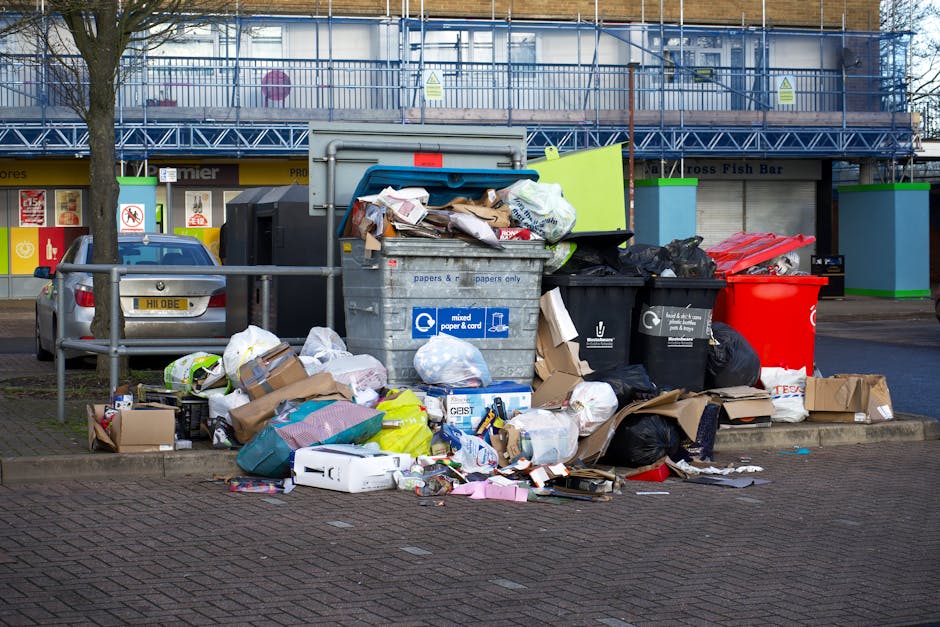
A typical Streatham Station scenario goes like this. A renter is moving out of a one-bedroom flat and has a sofa, a broken bedside cabinet, a few boxes of mixed waste, and a stack of flattened cardboard. The lift is small, the stairwell is narrow, and the street parking is not generous. They think they can handle it in one car trip, then realise the sofa alone changes the plan.
Instead of forcing the job into a rushed DIY run, they sort the waste into categories, keep the lighter items ready near the entrance, and arrange a collection that matches the access conditions. The bulky furniture is removed first, the bagged waste follows, and the cardboard is separated for cleaner handling. Nothing fancy. Just a calmer, more realistic way of getting it done.
What made the difference was not effort, but planning. That is often the case with waste jobs. A slightly smarter setup saves a lot of lifting, a lot of awkward balancing, and a fair bit of muttering under your breath.
For larger clear-outs, especially those involving several room's worth of items, a broader local service such as waste removal in Streatham can be a better fit than trying to manage everything as separate mini-jobs. It keeps the process more orderly, which is worth a lot when time is short.
Practical Checklist
Use this checklist before arranging SW16 Streatham Station rubbish drop off and collection. It is simple, but it catches most of the usual surprises.
- Identify what needs removing
- Separate general waste, bulky items, and recyclables
- Check whether anything needs special handling
- Estimate the amount as accurately as you can
- Look at access, stairs, parking, and loading space
- Decide whether drop off or collection makes more sense
- Protect floors, walls, and entrances if items are being moved through the property
- Keep important items, documents, and valuables aside
- Confirm collection timing and any access instructions
- Ask how recyclable materials are handled
If you can tick most of those off, you are already ahead of the game. Not perfect, just prepared. That is enough.
Get a free quote today and see how much you can save.
Conclusion
SW16 Streatham Station rubbish drop off and collection is really about making waste management fit real life. Around a busy station area, where access is tight and schedules are full, the best option is usually the one that keeps things simple, safe, and predictable. For some people that means a quick drop off. For others it means a collection that takes the heavy lifting off their shoulders.
The main thing is not to overcomplicate it. Sort the waste, think about access, choose the right method, and deal with it before it becomes a bigger nuisance. If you do that, the whole job becomes far more manageable than it first looked.
And once it is gone, you notice the room again, the hallway again, the floor again. Funny how that works.

Copyright © . House Clearance Streatham. All Rights Reserved.